



What is the hardest month to sell a house in the UK?
If you’re trying to identify the hardest month to sell a house, the time of year can make a noticeable difference. Buyer demand changes throughout the calendar, affecting how many viewings you receive, how quickly offers are made and how long the transaction takes to complete.
Listing during a quieter period may result in fewer enquiries or a longer wait for the right buyer. However, selling in a slow month does not automatically mean accepting a poor offer or experiencing an unsuccessful sale. With realistic pricing, strong presentation and early preparation, you can still attract serious buyers at any time of year.
What is the hardest month to sell a house?
January is often considered one of the hardest months to sell a house in the UK.
Buyer activity is usually quieter immediately after Christmas. Many households are recovering from festive spending, the weather is less suitable for property viewings and some buyers postpone major financial decisions until later in the year.
February can also be challenging, although interest often begins to improve as the spring property market approaches.
Sellers listing during January or February may experience:
- Fewer property enquiries
- A lower number of booked viewings
- Longer periods on the market
- Less competition between buyers
- Reduced kerb appeal during dark or wet weather
- Gardens and outdoor areas appearing less attractive in photographs
These factors can make winter a more difficult period for sellers, particularly when the property is overpriced or poorly presented.
Is December also a difficult month to sell a house?
December is another difficult month to sell a house, especially during the second half of the month.
Property searches and viewing requests often slow as people focus on Christmas, travel and family commitments. Buyers may also avoid making an offer because they expect solicitors, lenders, surveyors and estate agents to operate with reduced availability during the festive period.
However, buyers who remain active in December may be highly motivated. Some will be working towards a relocation, a school deadline or a completion date early in the new year.
As a result, December may produce fewer enquiries, but the enquiries that do arrive can still come from serious buyers.
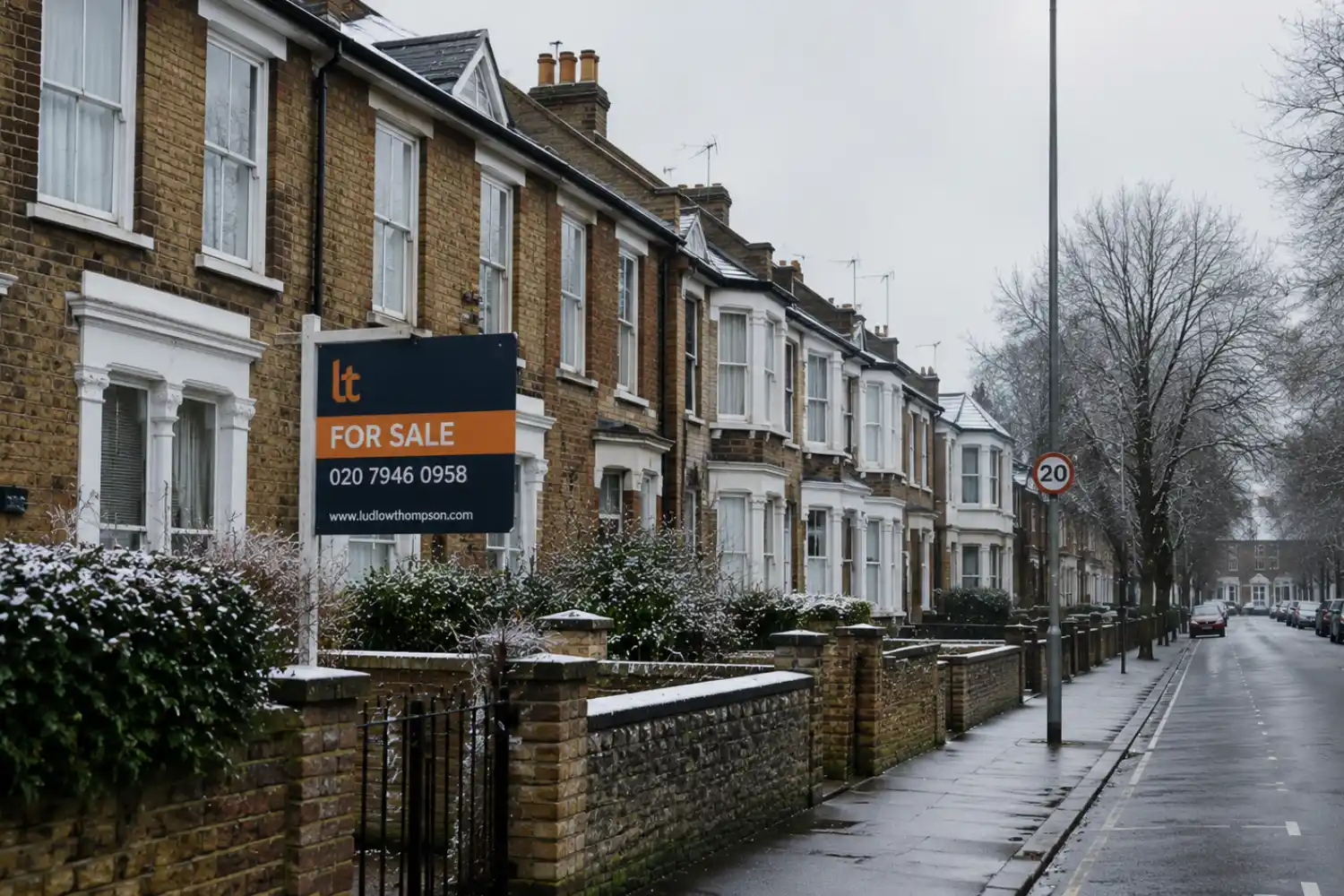
Why is winter the hardest time to sell a house?
Winter creates several practical challenges for sellers.
Fewer active buyers
Some buyers temporarily pause their search during Christmas and the beginning of the new year. This reduces the number of people viewing properties and competing to make offers.
Poor weather and shorter days
Dark evenings, rain and cold weather can make it harder to arrange viewings. They can also affect how bright and welcoming a property appears.
Reduced kerb appeal
Gardens, patios and exterior areas may not look their best during winter. Sellers may therefore find it more difficult to demonstrate the full value of the property’s outdoor space.
Financial pressure after Christmas
Households may be more cautious about deposits, mortgage applications and moving costs after spending more during the festive season.
Delays within the property chain
Christmas closures, staff holidays and reduced working hours can slow communication between estate agents, mortgage lenders, surveyors and conveyancing solicitors.
These issues explain why January is frequently described as the hardest month to sell a house, even when demand has not disappeared completely.
When is the best time to sell a house?
Spring is generally regarded as the best time to sell a house in the UK, with March, April and May usually attracting strong buyer interest.
Properties often look more appealing during spring because there is more natural light, gardens begin to improve and buyers are more willing to attend evening or weekend viewings.
Spring is also popular because:
- Families may want to move before the next school year
- Buyers have recovered financially from Christmas
- Longer days provide more opportunities for viewings
- Gardens and outdoor spaces are easier to present
- More buyers enter the market, increasing competition
September and early October can provide another useful selling window. Buyers who did not secure a property during spring or summer may return to the market with the aim of completing before Christmas.
Thinking of listing during a quieter month?
Even in the hardest month to sell a house, a well-prepared legal side of the transaction keeps things moving once you do get an offer. If you’d like to talk through your options, get in touch with our conveyancing team and we’ll walk you through the process.
Are the summer months good for selling a house?
Summer can still be a good time to sell, but activity may become less predictable during the school holidays.
Properties often benefit from good natural light and attractive gardens. However, potential buyers may be travelling, caring for children or delaying their search until September.
The success of a summer listing may therefore depend on your local market and the type of property being sold. For example, a family home may attract strong interest before the school holidays but receive fewer enquiries during late July and August.
Does the worst month to sell vary by location?
The hardest month to sell a house can vary depending on the local property market.
Demand in a major city may remain relatively steady throughout the year, while properties in coastal, rural or holiday-focused locations may experience stronger seasonal changes.
Other local factors can also have a greater impact than the month itself, including:
- The number of similar properties available
- Local employment conditions
- School catchment areas
- Transport connections
- Mortgage affordability
- Recent selling prices in the area
Before listing, review comparable properties and ask local estate agents how quickly similar homes are selling. National trends are useful, but local demand will often be more important.
What else can make a house difficult to sell?
The month in which you list is only one part of the sale. A property may remain on the market for longer because of its price, condition or legal circumstances.
Common reasons a house may be difficult to sell include:
- An asking price above comparable local properties
- Damp, subsidence or roof problems
- A poor Energy Performance Certificate rating
- Unresolved planning or boundary disputes
- A short lease
- Restrictive covenants
- A long or unstable property chain
- Poor-quality photographs
- Cluttered or neglected presentation
- Delays in preparing the legal paperwork
Addressing these issues before the property is marketed can make a greater difference than waiting for a particular month.
How to sell a house during a slow month
There are several ways to improve your chances of attracting a buyer during January, February or another quieter period.
Set a realistic asking price
Review recently sold properties rather than relying only on current asking prices. An unrealistic price can discourage enquiries, especially when buyers have plenty of time to compare available homes.
Improve the presentation
Keep the property warm, bright and uncluttered for winter viewings. Open curtains, clean windows and use suitable lighting to make rooms feel more welcoming.
Use high-quality photographs
Property photographs should show the home clearly and accurately. When possible, exterior photographs taken during brighter weather can help demonstrate the garden and kerb appeal.
Be flexible with viewings
Short winter days can limit viewing availability. Offering evening and weekend appointments may help you reach more buyers.
Prepare your documents early
Complete property information forms and gather warranties, planning documents, building regulation certificates and leasehold information before an offer is accepted.
Instruct a conveyancing solicitor early
Starting the legal process before finding a buyer can reduce delays later. Your solicitor can confirm what documents are required and identify potential title or lease issues in advance.
Can you sell a house quickly during January?
It is possible to sell a house quickly in January, particularly when the property is priced correctly and marketed to motivated buyers.
Competition from other sellers may also be lower during winter. A well-presented property can therefore stand out more easily than it would during the busy spring market.
The speed of the sale will depend on:
- The condition and location of the property
- Whether the asking price is realistic
- The buyer’s mortgage position
- The length of the property chain
- How quickly searches and enquiries are handled
- Whether any legal or structural issues arise
A quieter market may reduce the number of enquiries, but it does not prevent a well-prepared sale from progressing quickly.

Selling under time pressure
Some sellers cannot wait until spring. You may need to move because of a job relocation, separation, probate, financial pressure or a related property purchase.
In these circumstances, focus on the factors you can control. Prepare the property carefully, set a sensible price and begin the conveyancing process as early as possible.
Auction may also be considered when certainty and speed are more important than achieving the highest possible open-market price. Auction sales normally require completion within a fixed timeframe, so sellers should obtain legal advice and prepare the auction pack before the property is marketed.
Where you need to buy another property before your existing home sells, short-term finance may be available. However, bridging finance can be expensive and should only be considered after obtaining appropriate financial and legal advice.
Should you wait for the best time to sell a house?
Waiting until spring may help you reach a larger number of buyers, but delaying is not always the best choice.
Holding the property for several additional months may involve mortgage payments, insurance, maintenance and council tax. Market conditions and mortgage rates may also change while you wait.
Consider:
- How urgently you need to move
- The ongoing cost of keeping the property
- Current demand in your local area
- The number of competing properties
- Whether the property is ready to market
- Your preferred completion date
The best time to sell a house is therefore not determined by the calendar alone. It is the point at which the property, legal paperwork and seller are properly prepared.
Ready to sell your house?
January is often regarded as the hardest month to sell a house in the UK, with December and February also experiencing lower levels of buyer activity. Spring generally offers stronger demand, while September and early October may provide a smaller second selling window.
However, the asking price, condition of the property, local market and readiness of the legal paperwork can matter more than the month itself.
Whether you need to sell immediately or are preparing for a future move, our residential conveyancing team can help you organise the legal side of your transaction and keep the sale progressing once a buyer is found.
-
What’s the difference between exchange of contracts and completion?

-
What you need to know about buying a property jointly

-
Why is my conveyancing taking so long? The honest answer

-
Can you use the same conveyancer as the seller?

-
Additional conveyancing fees you might not expect to pay

-
What is a TA13 form? Completion information and requisitions on title explained

-
What is a TA7 leasehold information form?

-
What is a TA6 property information form?
-
What is a TA10 form?

-
What is checked during conveyancing? A complete guide