



Gazumping and gazundering explained: what every UK buyer and seller needs to know
Gazumping and gazundering are two of the most stressful things that can happen during a UK property transaction. One hits buyers hard, the other can devastate sellers — and both tend to strike at the worst possible moment.
If you’re buying or selling a home in England or Wales, understanding these terms could save you a great deal of money and heartache. This guide breaks down what they mean, when they happen, why they’re legal, and — most importantly — what you can do to protect yourself.
What is gazumping?
Gazumping affects buyers. It happens when a seller accepts an offer on their property, only to accept a higher offer from a different buyer before contracts are exchanged — leaving the original buyer out in the cold, often after they’ve already spent money and time moving the purchase forward.
The frustrating part is that this can happen even after a verbal agreement has been reached, a survey has been booked, or solicitors have started the legal groundwork. Because nothing is legally binding until exchange of contracts, the seller is free to change their mind and take a better offer, regardless of how far along the original buyer’s purchase has progressed.
Gazumping is entirely legal in England and Wales. It’s a frustrating and often costly experience for buyers, but there’s currently no law preventing a seller from accepting a higher offer at any point before contracts are formally exchanged.
What is gazundering?
Gazundering is the opposite — and it affects sellers. It occurs when a buyer who has had their offer accepted suddenly reduces that offer just before the exchange of contracts, knowing that the seller has already invested significant time, money, and emotion into the process.
The timing is usually deliberate. Buyers who gazunder tend to wait until the seller is fully committed: removal vans may be booked, an onward purchase may be underway, and the entire property chain may be relying on the sale completing. At that stage, the seller faces a painful choice — accept less money or risk the whole deal collapsing.
Like gazumping, gazundering is perfectly legal in England and Wales. A buyer can reduce their offer at any point right up until the exchange of contracts without breaking any law. It’s widely considered unethical, but there is no legal mechanism to stop it.
Why are gazumping and gazundering legal in the UK?
The answer lies in how the English and Welsh property system works. Unlike Scotland — where an accepted offer, once formalised into missives, becomes legally binding much earlier — England and Wales operate on a system where neither party is committed to anything until contracts have been formally exchanged.
This is the exchange of contracts stage, which typically happens after surveys have been completed, mortgage offers have been issued, and solicitors on both sides have finalised all the legal documentation. In practice, that’s often eight to twelve weeks after an offer is accepted — sometimes longer.
During that entire window, either side can walk away without legal penalty. Understanding the full stages of the conveyancing process helps buyers and sellers see exactly where the risks are highest — and how to move through the process as efficiently as possible.
Scotland’s system is often cited as a fairer model. Once missives are concluded north of the border, gazumping becomes a breach of contract. This is why gazumping and gazundering are far rarer in Scotland than in England and Wales.
When do gazumping and gazundering typically happen?
Knowing the timeline is useful for managing your risk at each stage of a property transaction UK.
Gazumping: early to mid-process
Gazumping can happen at any point before exchange, but it’s most common in the earlier stages — particularly while the property is still being marketed as ‘Sold Subject to Contract’ (SSTC). During this period, the estate agent is still legally required to pass on any new offers to the seller, which means a higher bid can arrive at any time.
The risk decreases as the process progresses, but it never disappears until contracts are exchanged. A particularly common trigger is slow progress — if a buyer is slow to get their mortgage offer confirmed or to return paperwork to their solicitor, a seller may decide a quicker buyer is worth switching to.
Gazundering: just before exchange
Gazundering almost always happens at the very end of the process — often just days before the planned exchange of contracts. The buyer waits deliberately, knowing that the seller will be at their most vulnerable. Removal dates may be set. An onward purchase may already be legally committed to. The chain is at risk of collapse if the sale falls through.
Buyers who gazunder are betting that the seller will accept a lower price rather than lose the whole deal. And sadly, given the financial and emotional stakes involved, many sellers do.
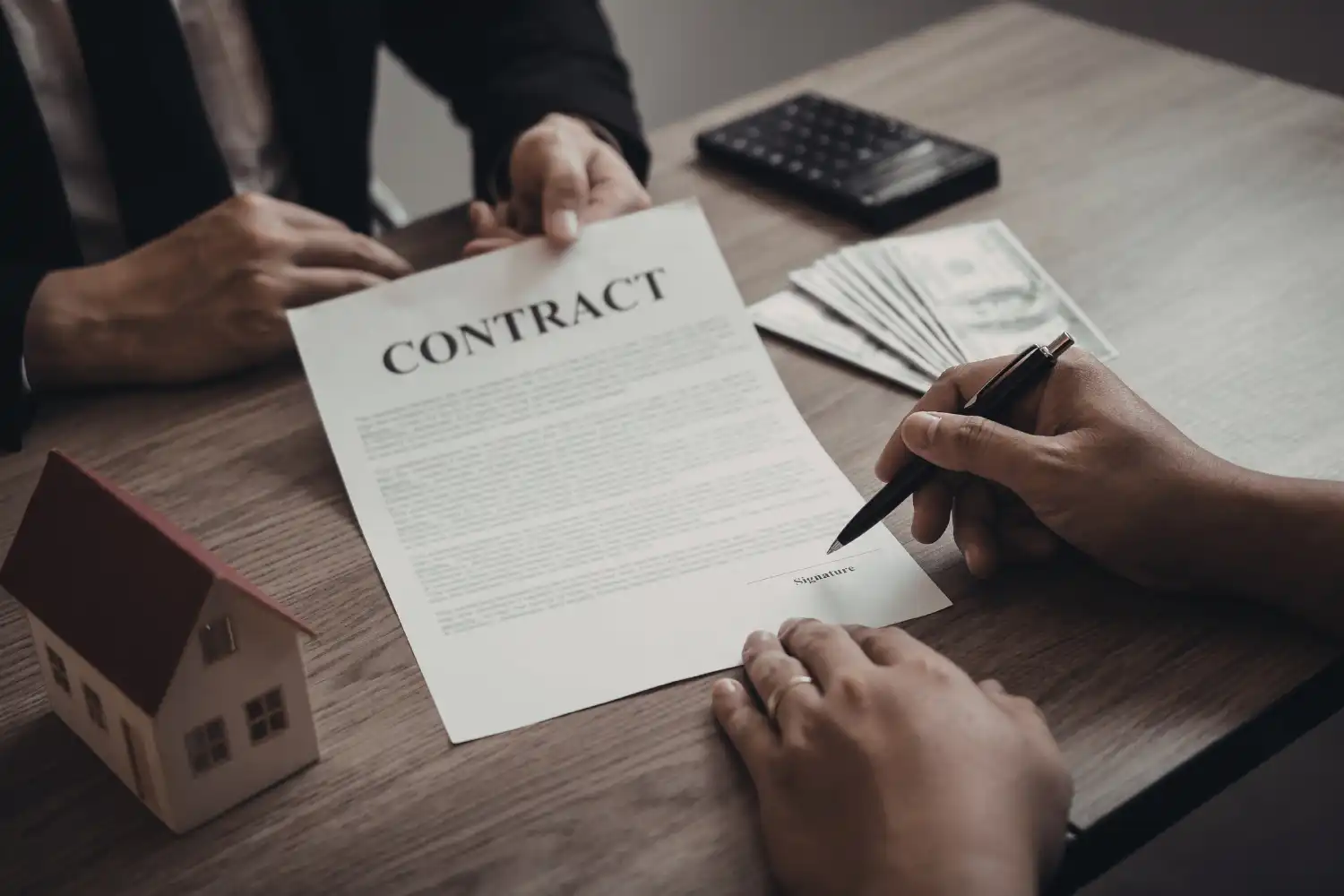
The real financial cost of gazumping and gazundering
Beyond the stress and disappointment, both practices can leave you seriously out of pocket.
If you’re gazumped as a buyer, any money you’ve already spent is typically lost. That can include:
- A property survey — often between £300 and £1,500
- Solicitor fees and disbursements, including conveyancing searches
- Mortgage arrangement or broker fees
- Any other preparatory costs such as removals deposits
For sellers who are gazundered, the financial blow comes in the form of the reduced sale price — which could be tens of thousands of pounds less than agreed. If that shortfall affects your ability to complete an onward purchase, the knock-on consequences can be severe.
It’s always worth understanding what conveyancing fees cover so that you can budget properly and know exactly which costs are at risk if a deal falls apart.
Worried about the risks in your property transaction?
Having an experienced solicitor in your corner can make a real difference. From keeping things moving quickly to flagging risks early, the right legal support is one of the best safeguards against gazumping and gazundering. Get in touch with our conveyancing team to find out how we can help protect your position.
How to protect yourself against gazumping
There’s no guaranteed way to avoid being gazumped, but there are practical steps that can significantly reduce your risk as a buyer:
- Move as quickly as possible. The faster you progress to exchange of contracts, the less time there is for another buyer to swoop in. Have your mortgage agreed in principle before you make an offer, and have a solicitor already instructed.
- Ask the seller to take the property off the market. Once your offer is accepted, politely ask the seller to remove the listing. They’re under no obligation, but many will agree — especially if you demonstrate you’re a serious buyer.
- Consider a lock-out agreement. This is a short-term legally binding agreement that prevents the seller from accepting other offers for a defined period. It can provide breathing room while legal work progresses, though not all sellers will agree to one.
- Build a relationship with the seller. A seller who likes and trusts you is less likely to switch buyers for a slightly higher offer. Keep communication open and show that you’re committed and organised.
Look into homebuyer protection insurance. This won’t stop you from being gazumped, but it can help cover some of the financial losses — such as survey and legal fees — if the deal falls through.
How to protect yourself against gazundering
Sellers face a different set of challenges. If you’re worried about a buyer reducing their offer late in the process, here’s how to strengthen your position:
- Keep your paperwork in order from the start. Have your title documents, management pack (if leasehold), and property information forms ready to go. Delays caused by missing paperwork give buyers more time to reconsider.
- Be transparent about the property’s condition. If a buyer later discovers issues they weren’t told about — damp, boundary disputes, planning restrictions — it gives them justification to lower their offer. Full disclosure upfront removes that leverage.
- Maintain communication with your buyer. A buyer who feels kept in the loop and involved is less likely to feel anxious and more likely to remain committed to the agreed price.
- Consider a good-faith deposit. Some sellers request a small, non-refundable deposit from the buyer at the start of the process. This isn’t common practice in England and Wales, but it can demonstrate seriousness and give the buyer a financial reason not to gazunder.
Don’t let the process drag. Market conditions can change. The longer the period between offer acceptance and exchange of contracts, the more time a buyer has to encounter doubts, financial changes, or a shifting market.

Is it different in Scotland?
Yes — significantly. Scotland operates under a different legal system for property purchases. Once a buyer and seller have exchanged formal letters (called ‘missives’) and the terms have been concluded, the agreement becomes legally binding on both sides.
This means that once a deal is done in Scotland, neither party can simply walk away without facing legal consequences. Gazumping and gazundering still occur occasionally — for instance, before missives are concluded — but they are far less common and far less of a structural risk than in England and Wales.
According to The Law Society of Scotland, the earlier binding nature of Scottish property contracts offers considerably stronger protections for buyers and sellers at the offer stage.
Could the law change?
There have been periodic calls to reform the English and Welsh property system to make it more similar to Scotland’s, reducing the window of vulnerability that enables gazumping and gazundering. Various government consultations over the years have discussed introducing reservation agreements, more binding offers, or compulsory processes to speed up transactions.
As of 2026, no legislation has been enacted to make offers legally binding in England and Wales. However, the conversation continues, and some industry bodies are actively pushing for reform. In the meantime, buyers and sellers must work within the current system — and take every practical step available to protect themselves.
If you’d like to understand exactly what happens at each stage of a sale — and where your risks are greatest — our guide to the conveyancing process in the UK walks through the whole journey in plain English.
Buying or selling a property in Manchester? We can help
At Versus Law, our conveyancing solicitors are experienced in keeping property transactions moving — and in protecting our clients when things get complicated. Whether you’re worried about being gazumped, dealing with a difficult chain, or simply want clear advice on your legal position, we’re here to help.
Get in touch today, or use our instant calculator to find out what your conveyancing fees would look like.
-
What does a conveyancing solicitor do during a property purchase?

-
What happens on exchange of contracts?

-
What’s the difference between exchange of contracts and completion?

-
What you need to know about buying a property jointly

-
Why is my conveyancing taking so long? The honest answer

-
Can you use the same conveyancer as the seller?

-
Additional conveyancing fees you might not expect to pay
-
What is a TA13 form? Completion information and requisitions on title explained

-
What is a TA7 leasehold information form?

-
What is a TA6 property information form?