



What is a flood risk search when buying property?
A flood risk search is one of the most important conveyancing searches carried out when you buy a property in the UK. It tells you — and your mortgage lender — how likely the property is to be affected by flooding, and whether that risk should influence your decision to proceed.
Many buyers assume flood risk only applies to homes near rivers or on the coast. In reality, surface water flooding, groundwater flooding, and drainage issues can affect properties in towns and cities that appear perfectly safe on the surface. Without a flood risk search, you could be buying a home that carries a risk you knew nothing about.
This guide explains what a flood risk search involves, what the results mean, why it forms part of your conveyancing searches, and what to do if the outcome raises concerns.
What a flood risk search actually covers
A flood risk search is a detailed report, usually ordered by your conveyancer as part of the standard conveyancing searches process. It draws on environmental data and flood mapping to assess the likelihood of a property being flooded — and from where that flood might originate.
The report typically covers several flood sources:
- River flooding — from watercourses near or adjacent to the property
- Coastal and tidal flooding — relevant for properties near the sea or estuaries
- Surface water flooding — caused by heavy rainfall overwhelming drainage systems
- Groundwater flooding — where water rises through the ground itself
- Sewer flooding — from overburdened foul or surface water drainage infrastructure
The search also typically includes information on historical flood events in the area, proximity to flood defences, and an assessment of insurability. Most reports provide a colour-coded risk rating — ranging from low through to very high — so that the result is straightforward for buyers and lenders to interpret.
Why a flood risk search is part of your conveyancing searches
Conveyancing searches exist to uncover risks and liabilities that are not visible from a physical inspection of a property. They are a standard part of the legal due diligence process carried out on your behalf when buying property.
The flood risk search sits alongside other conveyancing searches such as the local authority search, drainage search, and environmental search. Together, they give a complete picture of the legal and environmental context of the property you are buying.
If you are buying with a mortgage, your lender will almost certainly require a flood risk search before they release funds. Even if you are a cash buyer, your conveyancer will strongly recommend commissioning one. The financial and practical consequences of buying a high-risk property without knowing — from expensive insurance premiums to reduced resale value — can be significant.
At Versus Law, our residential conveyancing service includes guidance on all necessary property searches, so you always understand what has been ordered on your behalf and what the results mean for your purchase.
How to read the results of a flood risk search
Pass or further action
Most flood risk searches return one of two headline outcomes: Pass or Further Action.
A Pass result indicates that the property does not appear to carry a significant flood risk based on the available data. This is the most common outcome, and in most cases it means the search can be closed off and the conveyancing process continues as normal.
A Further Action result does not automatically mean the property is unsellable or unmortgageable. It means there is an elevated risk that warrants closer scrutiny. Your conveyancer will review the specific reasons for the rating and advise on appropriate next steps.
What happens if the risk is flagged as high
A high flood risk rating on a buying property flood risk search can feel alarming, but it is important to keep it in perspective. Depending on the nature of the risk, your conveyancer may recommend:
- Commissioning a more detailed specialist flood report from a qualified surveyor
- Contacting the Environment Agency for further mapping and history data
- Obtaining insurance quotes before exchanging contracts, to understand likely premium costs
- Renegotiating the purchase price to reflect the risk identified
- In some cases, reconsidering the purchase entirely
It is worth understanding that flood risk data is regularly updated. A property may have been considered low risk in the past but sits in a higher-risk band today. This is one reason why ordering a fresh flood risk search — rather than relying on a previous buyer’s reports — is essential every time a property changes hands.
Concerned about the results of a flood risk search?
If a property search has flagged a potential flood risk, it does not necessarily mean the purchase cannot proceed. Our conveyancing team can review the report, explain the implications for insurance, mortgage lending and property value, and advise on the next steps before you exchange contracts.
How much does a flood risk search cost?
A flood risk search typically costs between £50 and £100. The exact cost depends on the search provider used and whether it is included within a bundled conveyancing searches package, which is how most conveyancers order them.
When considering the overall cost of buying a home, a flood risk search represents a very small outlay relative to the protection it provides. A property found to be at high risk after purchase — rather than before — can result in insurance costs that are substantially higher than average, or in some cases, policies that are difficult to obtain at any price.
If you want a clear picture of what searches and legal fees to expect when buying property, our conveyancing cost calculator gives you an instant estimate based on your specific situation.
Flood risk and what it means for your property insurance
One of the most practical consequences of a high flood risk rating is its impact on home insurance. Insurers use flood risk data to calculate premiums and decide whether to offer cover at all. A property in a high-risk flood area can attract significantly higher premiums than a comparable property in a low-risk location.
In some areas, the Flood Re scheme — a joint government and insurance industry initiative — helps make insurance more affordable for households at the highest risk. However, Flood Re does not cover all property types. It excludes properties built after 2009 and commercial buildings, among others.
Knowing your flood risk position before exchange of contracts gives you time to seek insurance quotes, understand what cover is available, and factor that into your overall decision. Discovering it afterwards — when you are already committed — leaves you with far fewer options.
Does flood risk affect the value of a property?
Research consistently shows that properties in high flood risk areas carry a lower market value than comparable homes in low-risk locations. The gap varies depending on the severity of the risk, the history of actual flooding, and how effectively the property has been adapted or protected.
A buying property flood risk search that returns a high-risk result can therefore give you meaningful leverage in price negotiations. If you are still willing to proceed after understanding the full picture, it is entirely reasonable to reflect the risk in the price you offer.
For sellers, this underlines the importance of being transparent about flood risk and any previous flood events. Failing to disclose a known history of flooding can have legal consequences.
If you are unsure how flood risk relates to the broader costs of property purchase, our article on the true cost of conveyancing covers the full picture of what buyers should budget for, beyond just the headline figures.
Is a flood risk search always required when buying a property?
There is no absolute legal requirement for a flood risk search in every property transaction. However, in practice, it is rare for a purchase to proceed without one. Mortgage lenders almost universally require it. And even where it is not mandated, the risk of buying without one is simply not worth taking.
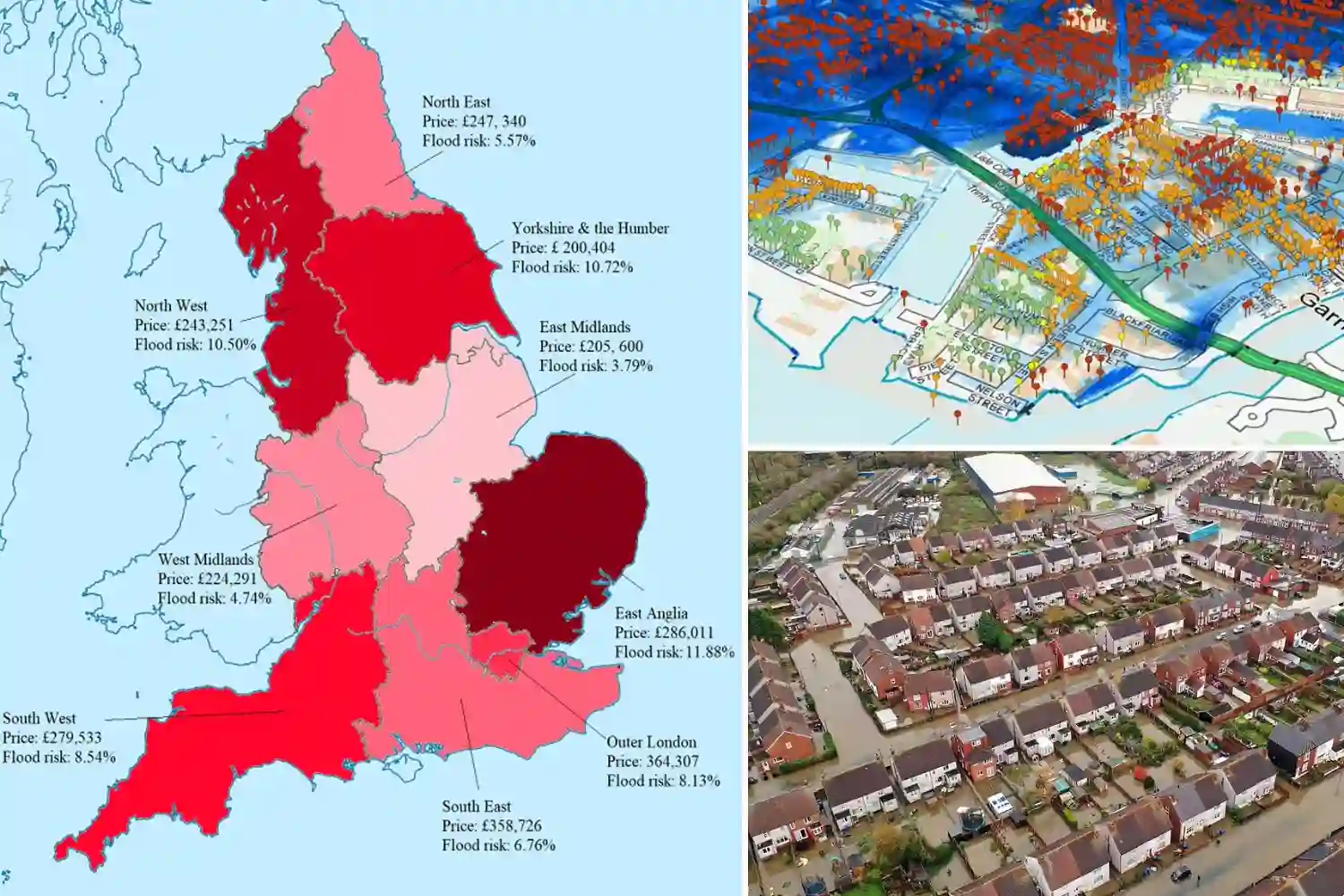
The Environment Agency estimates that around 1 in 6 properties in England are at some risk of flooding. That is a significant proportion — and many of those properties show no obvious visual signs of risk. A property on a hill, some distance from the nearest river, may still be vulnerable to surface water flooding following heavy rainfall.
Conveyancing searches are specifically designed to surface information that a physical inspection of a property cannot reveal. The flood risk search is one of the most important of those checks, and it should be treated as such — not as a formality, but as a genuine piece of due diligence that can change the course of a purchase.
Summary: what to take away about flood risk searches
A flood risk search is a standard but essential part of buying a home in the UK. It tells you whether the property you are purchasing carries a meaningful risk of flooding from rivers, the sea, surface water, or groundwater — and it gives you the information you need to make an informed decision before you commit.
The key points to keep in mind:
- A flood risk search is typically ordered as part of your conveyancing searches package
- It covers multiple flood sources, not just rivers or the sea
- Results are usually given as Pass or Further Action, with a colour-coded risk rating
- A high-risk result does not automatically end a purchase, but it should be carefully considered
- The cost is modest — usually £50–£100 — relative to the protection it provides
- Flood risk can affect your insurance costs, your mortgage offer, and the value of the property
Buying a property and unsure what conveyancing searches you need?
Our conveyancing solicitors can guide you through every search required when buying property, including flood risk searches, environmental searches and local authority checks. We ensure you understand the results and any risks before you commit to the purchase.
-
How to prepare a watertight auction legal pack: A Manchester solicitor’s guide

-
What happens during the conveyancing process in the UK?

-
What Is the TR1 Transfer Form?

-
PM Law closure: help if your conveyancing is stuck

-
What does a conveyancing solicitor actually do?

-
What is conveyancing? A simple guide for first-time buyers

-
What is a gifted deposit and what proof is needed?

-
Buying a property with a sitting tenant: legal risks, rights & what buyers must know

-
Why you should transfer property portfolio to a limited company

-
What goes in an auction legal pack?