



Awaab’s Law Explained: How a Tragedy Changed the Rights of Every Social Housing Tenant in the UK
Awaab’s Law has changed the conversation around unsafe social housing in England. What was once too often treated as a slow repairs issue is now, in many cases, a matter of legal duty, strict timescales and tenant rights. For social housing tenants living with damp and mould, the law is designed to stop dangerous conditions from being ignored for months or even years.
The law is named after Awaab Ishak, a two-year-old boy who died in 2020 after prolonged exposure to mould in his family’s social housing home. His death became a national turning point. The government later introduced a new legal framework through the Hazards in Social Housing (Prescribed Requirements) (England) Regulations 2025, commonly referred to as Awaab’s Law, which came into force on 27 October 2025.
For tenants, the biggest change is simple: social landlords now face clear legal deadlines when serious hazards are reported. That is the real significance of Awaab’s Law. It shifts power away from delay and towards accountability.
What Awaab’s Law actually is
Awaab’s Law is part of the wider social housing reform introduced through the Social Housing (Regulation) Act 2023. The official guidance explains that it effectively implies a term into social housing tenancy agreements requiring social landlords to comply with the new repair and safety requirements set out in the 2025 regulations. If they fail to do so, tenants can take legal action for breach of contract.
In practical terms, Awaab’s Law is there to make sure serious hazards are not brushed aside. It currently applies to social landlords in England, including local authority landlords and private registered providers of social housing such as housing associations. It is not a general law covering all housing tenures across the UK, and that distinction matters.
That means the phrase “every social housing tenant in the UK” works as a broad headline idea about the significance of the change, but in legal terms the current framework is specifically about the social rented sector in England.
Why Awaab’s Law was introduced
The law exists because the previous system failed in the most tragic way possible. Official tenant guidance states that Awaab Ishak died in 2020 from a lung condition caused by mould in his home, after his parents had repeatedly told their social landlord about the problem over a period of years.
That background matters because it explains why Awaab’s Law is not just another housing policy update. It is a response to a case that exposed how dangerous it can be when damp and mould are treated as minor maintenance issues rather than serious health risks. The government’s announcement described the reforms as a lasting legacy to Awaab Ishak and said they were intended to put tenant safety first.
The law also reflects a broader cultural shift. Housing providers are expected to respond proactively, keep proper records, and consider the particular circumstances of tenants whose health may make a hazard more dangerous.
What Awaab’s Law means for social housing tenants
For social housing tenants, the key point is that there are now legal deadlines.
Under the current first phase of Awaab’s Law:
- emergency hazards must be investigated and relevant safety work undertaken within 24 hours
- significant damp and mould hazards must be investigated within 10 working days
- tenants must receive a written summary within 3 working days of the investigation finishing
- if the hazard poses a significant risk of harm, the property must be made safe within 5 working days of the investigation concluding
- if the home cannot be made safe in time, the landlord must offer suitable alternative accommodation at its own expense
Those are the parts tenants are most likely to care about immediately. They turn vague promises into specific obligations.
The law is not limited to black mould alone
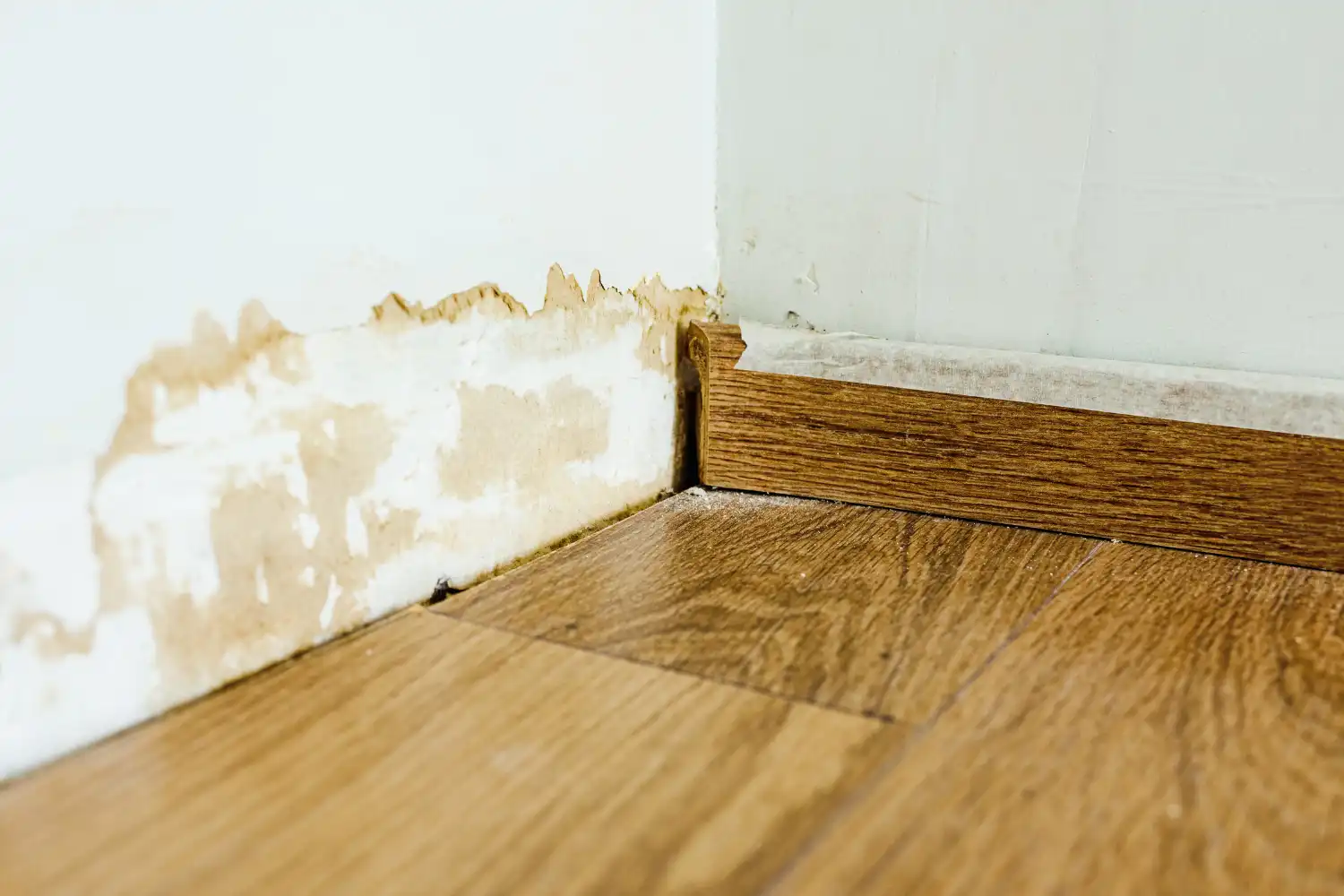
A lot of news coverage has focused on black mould, but the legal position is slightly broader. Phase 1 covers all emergency hazards and damp and mould hazards that present a significant risk of harm. That means the issue is not the colour of the mould. It is the seriousness of the hazard and the risk to the people living there.
This matters because social housing tenants sometimes worry that landlords will try to minimise the issue by arguing that the mould is “only minor” or “just condensation”. The legal question is not whether the problem is cosmetically unpleasant. It is whether the hazard creates a significant risk of harm and how quickly the landlord must act once aware of it.
Living with damp or mould in social housing?
Awaab’s Law has changed what social landlords are expected to do when serious hazards are reported. If damp, mould or unsafe conditions in your home are being ignored, legal advice can help you understand your position and what steps may be available.
What social landlords now have to do
The official landlord guidance is detailed, but the basic obligations are clear. Once a landlord becomes aware of a potential in-scope hazard, it must assess the issue, investigate within the correct timeframe, communicate with the tenant, and keep records of what it has done.
The guidance also says landlords should consider the health and circumstances of the occupiers. That includes situations where children, disabled residents, or people with existing health conditions may be more at risk from the same hazard than someone else would be.
Another important point is that if a home cannot be made safe quickly enough, the landlord must offer suitable alternative accommodation at its own expense until it is safe to return. That is one of the strongest practical protections in the new regime.
What social housing tenants should do if they spot damp and mould
The government’s tenant guidance makes clear that residents should report hazards and provide as much information as possible about the problem and who lives in the home. It also says landlords should not treat tenants unfairly for making a complaint.
If you were turning this into a practical reader-focused article, the clearest advice would be:
- report the problem to the landlord as soon as possible
- explain how serious it is and who is affected in the household
- keep copies of emails, letters, photos and dates
- ask for written confirmation of the landlord’s findings and next steps
- use the complaints process if deadlines are missed
That is where Awaab’s Law becomes real for tenants. It is not just about what the legislation says. It is about how residents can use it when a landlord fails to respond properly.
If repairs are delayed, hazards remain unresolved, or the landlord keeps failing to act, tenants may also need legal advice on housing disrepair issues before deciding what to do next.
Can tenants take legal action under Awaab’s Law?
Yes. The official guidance says tenants can hold their social landlord to account through the courts for breach of contract if the landlord fails to meet the requirements imposed by Awaab’s Law. Other routes are also available, including the landlord’s own complaints procedure and the Housing Ombudsman. The tenant guidance also refers to the Pre-Action Protocol for Housing Conditions Claims as another possible route where repairs have not been properly dealt with.
That does not mean every case will go to court. In many situations, the existence of the law and the deadlines may be enough to force quicker action. But the fact that legal enforcement is possible is a major shift. Before Awaab’s Law, many tenants felt they had to keep chasing without any clear timetable or practical leverage. Now the position is firmer.
Does Awaab’s Law only cover damp and mould forever?
No. The law is being introduced in phases.
According to the official guidance, the first phase from 27 October 2025 covers all emergency hazards and damp and mould hazards that present a significant risk of harm. In 2026, the regulations are due to expand to a wider group of hazards, including excess cold and heat, falls, structural collapse, explosions, fire, electrical hazards, and domestic and personal hygiene and food safety. In 2027, the plan is for the rules to extend to the remaining Housing Health and Safety Rating System hazards, apart from overcrowding.
This phased rollout matters because it shows that Awaab’s Law is not a one-topic reform. Damp and mould came first because of the circumstances that led to Awaab Ishak’s death, but the wider intention is to improve how dangerous housing conditions are handled more generally.

Why this matters beyond social housing policy
The importance of Awaab’s Law is not just legal. It is moral, public health related, and cultural.
For years, some tenants lived in homes where serious hazards were normalised. Damp was treated as lifestyle-related. Mould was dismissed as minor. Vulnerable families were left in unsafe homes while waiting for action. Awaab’s Law changes that by making clear that dangerous conditions must be treated as urgent housing and health issues, not routine maintenance backlog.
For social housing tenants, that matters because the law gives a clearer basis for challenge. For social landlords, it matters because failure now carries more obvious legal and reputational consequences. For the wider housing sector, it signals a move toward faster intervention and better accountability.
The real legacy of Awaab’s Law
The lasting impact of Awaab’s Law is that it recognises what should always have been obvious: unsafe homes can destroy health, dignity and, in the worst cases, lives. The legal deadlines now in force are meant to make it much harder for serious hazards to be ignored.
That does not mean every tenant’s problem will be solved overnight. But it does mean the framework has changed. Social housing tenants in England now have clearer rights, clearer timescales and clearer routes to challenge failure. In that sense, Awaab’s Law is not just a tribute to one child whose death should never have happened. It is a legal marker that says dangerous conditions must be acted on, and that delay is no longer acceptable.
If the firm wants a soft commercial bridge at the end, the only supplied internal page that fits naturally is the contact page, and even that should be used lightly, such as in a line for readers who need advice on the legal implications of poor housing conditions or related disputes.
Need advice on unsafe conditions in social housing?
Awaab’s Law has introduced clearer responsibilities for social landlords where serious hazards such as damp and mould are affecting tenants. If repairs are being delayed or your concerns are not being taken seriously, getting early legal advice can help you understand your rights and the options available to you.
-
Auction legal pack review: What you need to know before you bid

-
What does “subject to contract” mean in conveyancing?

-
How much deposit do you need to buy a house in the UK?

-
What is a flood risk search when buying property?

-
How to prepare a watertight auction legal pack: A Manchester solicitor’s guide

-
What happens during the conveyancing process in the UK?

-
What Is the TR1 Transfer Form?

-
PM Law closure: help if your conveyancing is stuck

-
What does a conveyancing solicitor actually do?

-
What is conveyancing? A simple guide for first-time buyers